

Electric Vehicles Continue to Revolutionize Hong Kong’s Automotive Landscape
Hong Kong’s automotive market is experiencing a remarkable transformation, with electric vehicles (EVs) now dominating new car registrations in a clear signal of shifting consumer preferences and environmental consciousness. Recent data from the Transport Department reveals that EVs captured an impressive 71.04% of new private car registrations during the first nine months of 2025, demonstrating the city’s accelerating embrace of sustainable transportation.
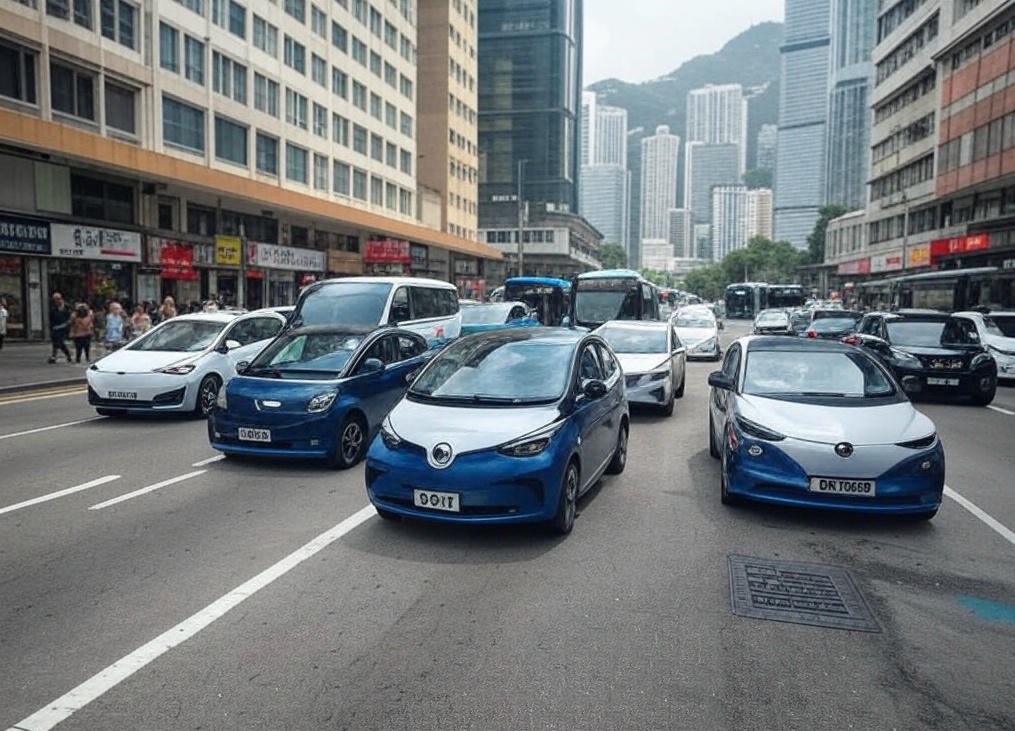
Despite a minor 0.69% year-on-year decline in market share, the numbers are striking: out of 34,540 new private car registrations, 24,537 were electric vehicles. This trend isn’t just a passing phase but a fundamental reshaping of Hong Kong’s automotive ecosystem.

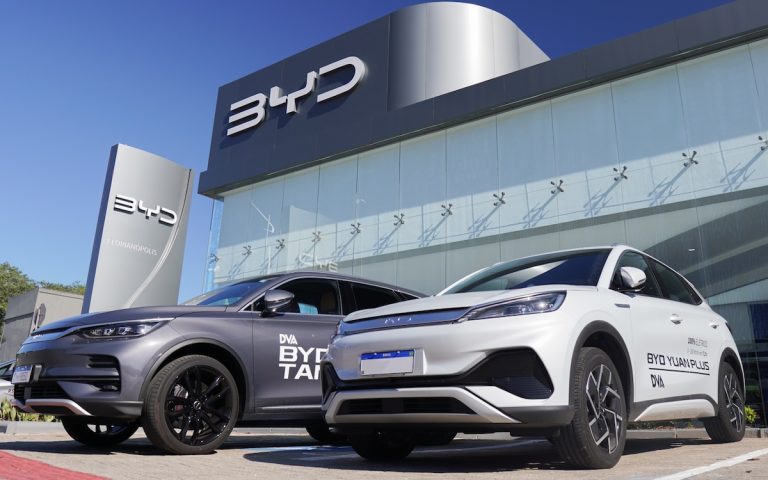
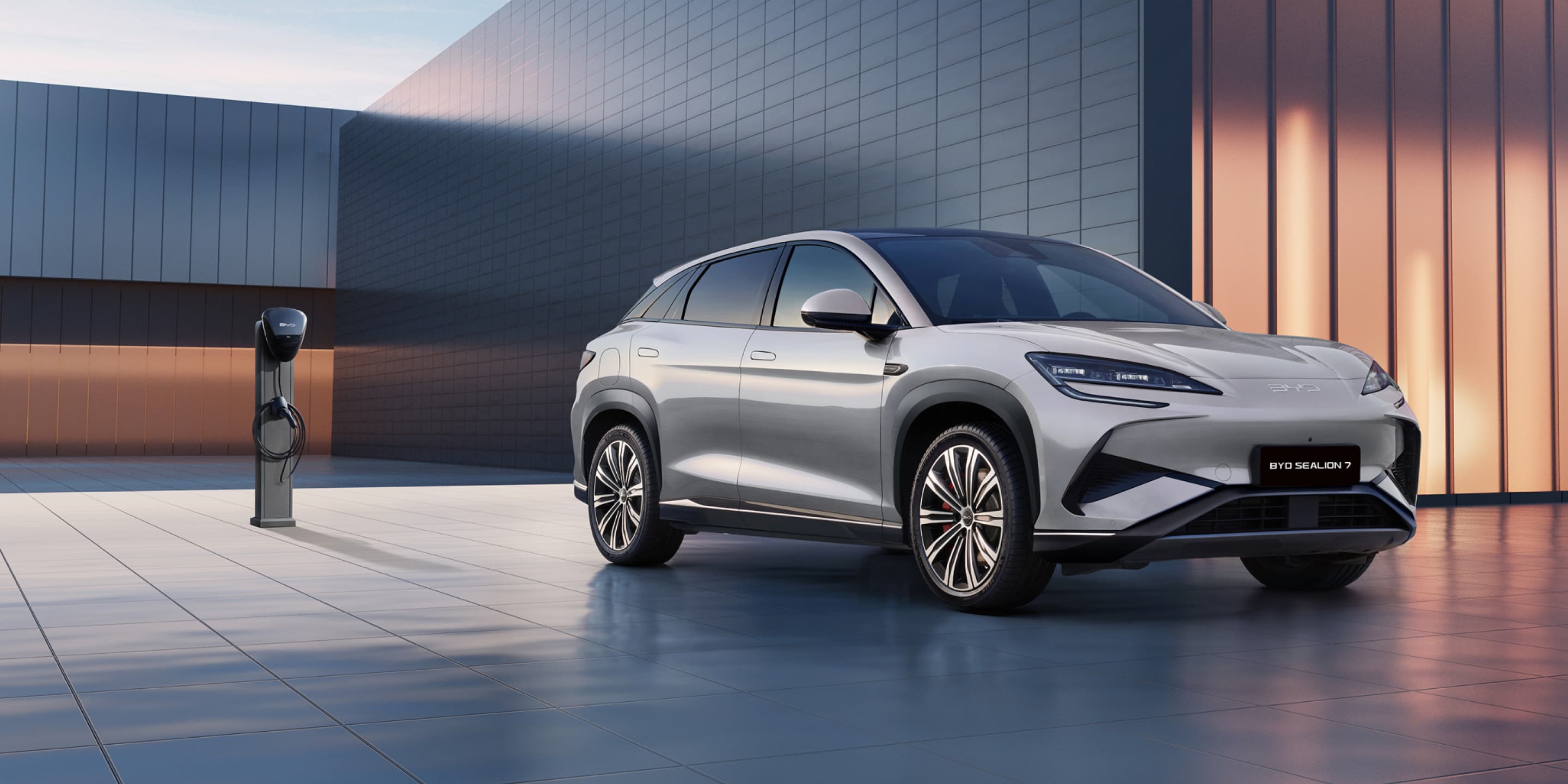
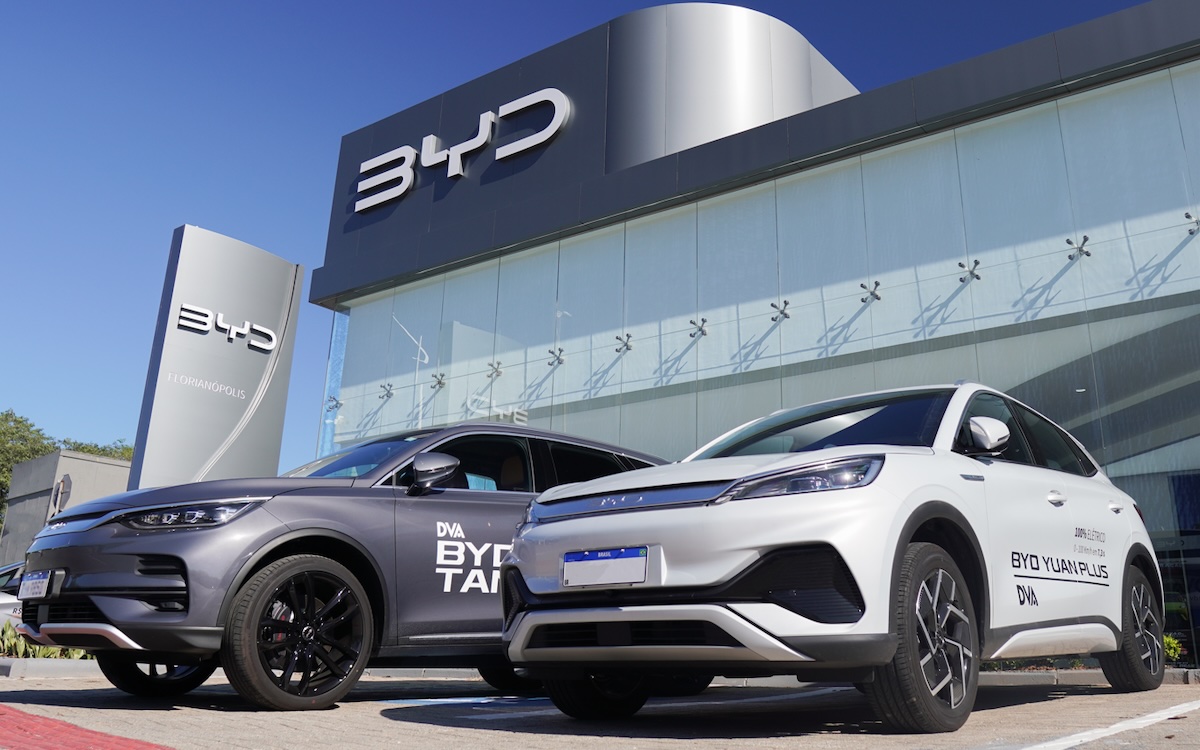
Leading this electric revolution is BYD, a Chinese automotive manufacturer that has emerged as the market’s undisputed champion. The company sold 6,878 units in the first three quarters of 2025, representing a robust 40.86% increase compared to the previous year. Close on BYD’s heels is Tesla, which secured the second position with 6,401 units sold, though experiencing a 14.45% sales decline.
The market’s dynamism is further highlighted by Zeekr, a relatively new entrant that has quickly established itself by selling 1,548 units and breaking into the top three manufacturers. This demonstrates the rapidly evolving nature of the EV sector, where innovative brands can quickly gain significant market traction.

September 2025 provided an even more dramatic snapshot of the EV surge. New private car registrations jumped an extraordinary 59.12% year-on-year to 4,678 units, with EVs capturing an astounding 75.72% market share that month. BYD’s performance was particularly noteworthy, with sales increasing by 121.69% to 920 units, while Tesla followed with 853 units and Zeekr maintained momentum with 546 units.
The top ten new private car sales rankings showcase the market’s diversity, featuring a mix of electric and traditional automotive brands. Beyond BYD and Tesla, the list includes BMW (1,429 units), XPENG (1,187 units), Toyota (1,179 units), GAC AION (1,003 units), Honda (954 units), MG (851 units), and Mercedes-Benz (790 units).
Several factors are driving this remarkable EV adoption. Government incentives, expanding charging infrastructure, and growing environmental awareness are creating a supportive ecosystem for electric vehicles. BYD’s success, in particular, seems rooted in competitive pricing, a diverse model lineup, and effective local marketing strategies.
However, the data isn’t without nuance. The slight decline in overall new car registrations suggests underlying economic challenges or potential supply chain constraints that might be tempering broader consumer confidence. Yet, the overwhelming EV market share indicates a clear trajectory toward sustainable transportation.
As Hong Kong continues to be a key market for EV growth in the region, manufacturers and policymakers must remain adaptive. The current landscape suggests that electric vehicles are not just a trend but a fundamental transformation of the automotive industry, with brands like BYD leading the charge toward a more sustainable future.
The story of Hong Kong’s automotive market in 2025 is ultimately one of rapid innovation, environmental consciousness, and a clear consumer preference for electric mobility. As the year progresses, all eyes will remain on how this dynamic market continues to evolve.