

Nigel Farage and Reform UK have ignited a heated national debate with their proposed immigration and welfare reforms, specifically targeting Hong Kong migrants and challenging the current UK immigration landscape. At the heart of their controversial plan is a radical reimagining of how non-citizens can live and work in the United Kingdom.
Currently, non-citizens holding British National (Overseas) visas can obtain Indefinite Leave to Remain (ILR) after five years, granting them permanent residency and welfare access. Farage’s proposal would dramatically alter this pathway by abolishing ILR and replacing it with a renewable five-year visa system. This change would directly impact Hong Kong migrants who came to the UK seeking stability after China’s 2020 National Security Law.
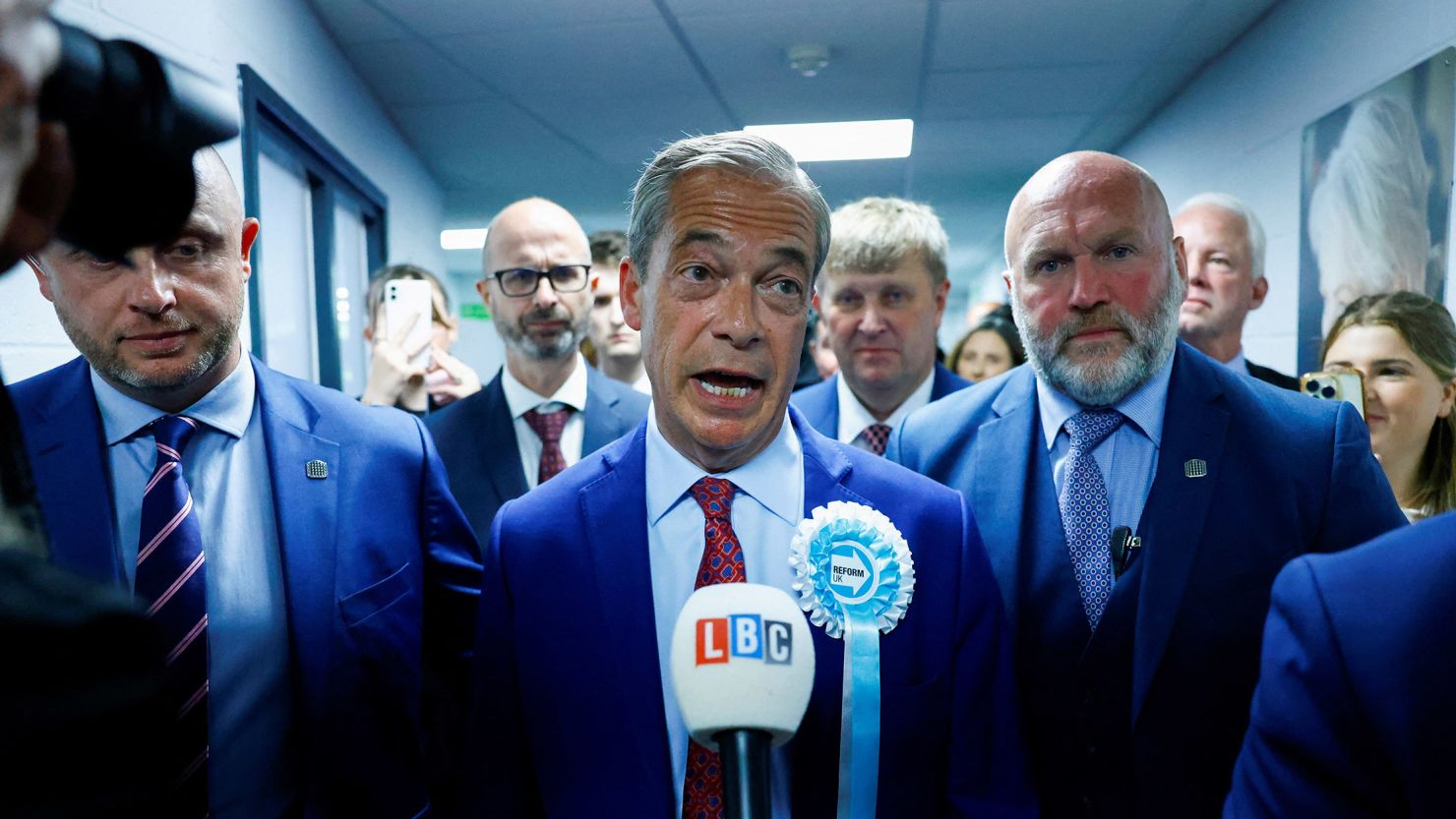
The proposed reforms come with ambitious financial projections, suggesting potential savings of up to £230 billion for the UK treasury. Farage argues that recent immigration policies, particularly those implemented since 2019, have created an unsustainable burden on public services. According to data from the Oxford University Migration Observatory, approximately 430,000 non-EU immigrants currently hold ILR status, with over 4.12 million EU citizens granted settled status post-Brexit.

Beyond restructuring permanent residency, Reform UK’s plan includes several stringent measures. The party proposes raising the skilled worker visa salary threshold from £41,700 to around £60,000 and implementing restrictions on bringing family members to the UK. Visa renewals would require demonstrating financial independence and passing a “good character” check that screens for issues like tax evasion.

An intriguing aspect of the proposal is the “Acute Skills Shortage Visa,” designed to address critical staffing gaps in sectors like healthcare. Employers hiring overseas workers under this scheme would be required to simultaneously train a local replacement, aiming to reduce foreign labor dependency and potentially boost local wages.

The proposal has predictably drawn sharp criticism from political opponents. Labour’s Rachel Reeves questioned the financial estimates, while Conservative Shadow Home Secretary Chris Philp argued for a more nuanced, contribution-based approach to immigration management. Despite the skepticism, Farage maintains that actual savings could potentially exceed the initial £230 billion estimate.

For Hong Kong BNO migrants, the proposed reforms introduce significant uncertainty. The visa scheme, originally introduced as a humanitarian pathway following political changes in Hong Kong, could now become substantially more precarious. The shift from permanent residency to a renewable visa system means these migrants would face ongoing scrutiny and potential disruption to their long-term settlement plans.
The broader context of these proposals reflects complex national conversations about immigration, economic pressures, and national identity. While Reform UK presents the reforms as a fiscally responsible approach, the plan raises important questions about practical implementation and potential diplomatic repercussions, particularly regarding EU relations.
Interestingly, the data provides nuanced insights into immigration and welfare. The Oxford University Migration Observatory reveals that a higher proportion of EU immigrants (9.7%) receive Universal Credit compared to non-EU immigrants (2.7%), challenging simplistic narratives about immigrant welfare dependency.
As the UK approaches a general election expected in three years, Farage’s proposals are likely to remain a focal point of political discourse. The debate surrounding these immigration reforms underscores the ongoing complexity of balancing national economic interests, humanitarian considerations, and the practical realities of global migration.