

In the digital age, language evolves rapidly, and a new term has emerged that captures the precarious economic reality facing many Americans: the “US kill line.” Originally a gaming term describing a critical health threshold where a character can be instantly defeated, this phrase has taken on a powerful metaphorical meaning that resonates far beyond its virtual origins.
The concept gained traction on Chinese social media platforms, particularly after a December 8 video on bilibili.com by content creator “Sikuiqidawang” titled Cutting Flesh with a Dull Knife and the Kill Line. The video explored the crushing burden of medical expenses in the United States, using footage from Seattle that highlighted the struggles of low-income and homeless individuals. This content struck a chord with Chinese netizens, sparking a broader conversation about economic vulnerability in American society.

The “kill line” represents a razor-thin financial margin where a single unexpected event—a medical emergency, job loss, or accident—can trigger rapid economic collapse. On WeChat and other platforms, discussions revealed the stark reality that many Americans live just one mishap away from potential homelessness. The term aligns closely with the US-specific concept of ALICE (Asset Limited, Income Constrained, Employed), which describes households constantly teetering on the brink of financial ruin.
Reddit discussions further illuminated this phenomenon, with users sharing personal experiences that brought the “kill line” into sharp focus. One user, “crimbusrimbus,” candidly admitted that a single month without work would completely deplete their savings. Another, “BreadDaddyLenin,” bluntly stated being “one accident away from homelessness,” while others described coworkers overwhelmed by medical debt, forced to max out credit cards or forgo essential healthcare.
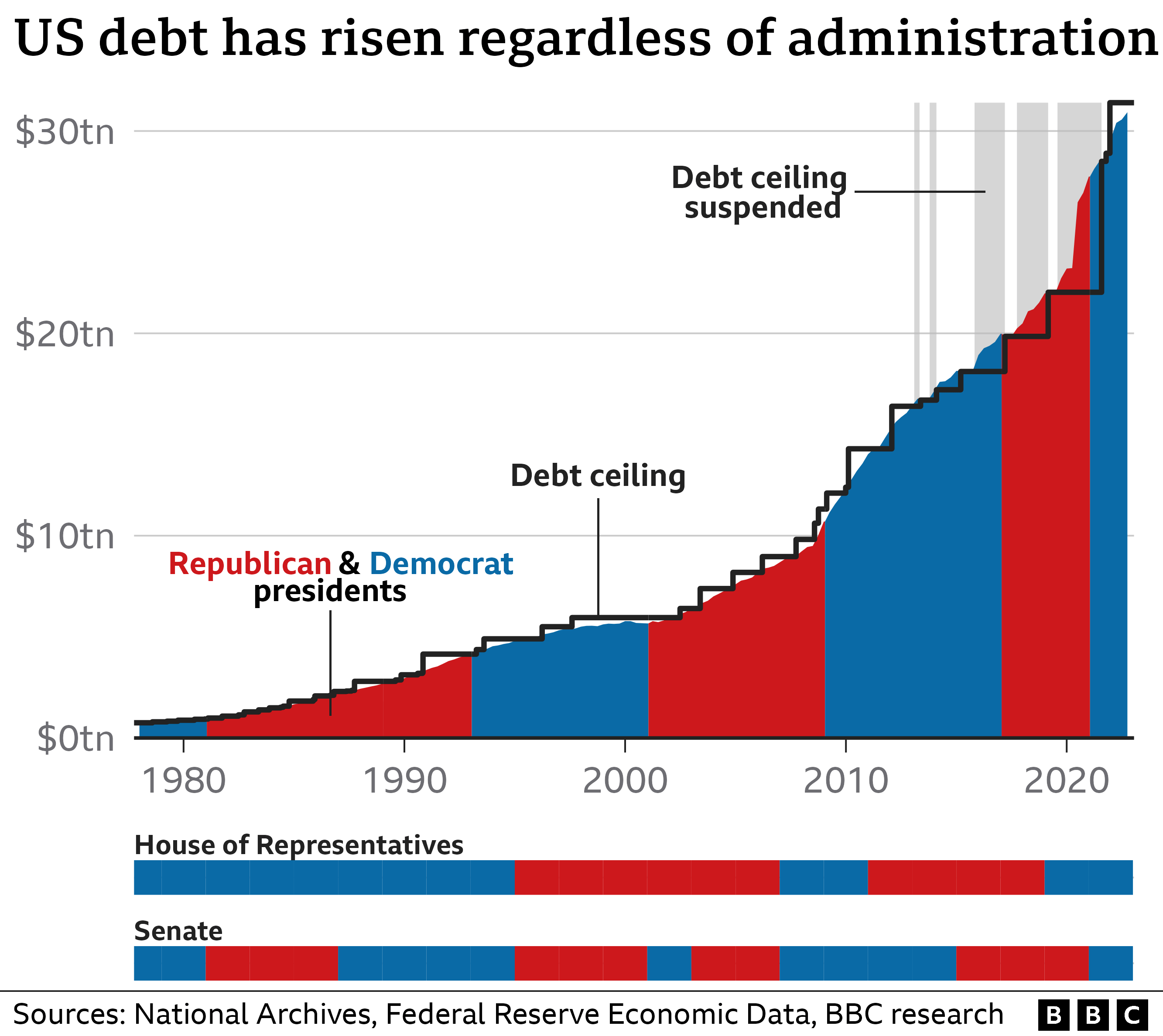
Fudan University professor Shen Yi offered a critical perspective, framing the “kill line” as a fundamental mechanism of American capitalism. He argued that this economic vulnerability is not a hidden feature but an accepted system rooted in social Darwinism, where only the strongest survive. The critique extends to government priorities, with one Global Times reader comment highlighting the contrast between massive military spending—projected to exceed $1 trillion for FY2024/2025—and inadequate social welfare provisions.
The conversation transcends cultural boundaries, revealing a global concern about economic inequality. Chinese social media platforms became a space for examining the American economic landscape, with users sharing videos and anecdotes about student debt, medical costs, and the fragility of financial stability for ordinary people.
What makes the “kill line” concept particularly powerful is its simplicity. It transforms complex economic challenges into an easily understood metaphor that resonates across cultures. The term suggests that for many Americans, economic survival is like a video game with an increasingly difficult level of play—one where a single wrong move can mean total defeat.
As the Global Times article published on December 25, 2025, suggests, this discussion is more than just social media chatter. It represents a growing awareness of systemic economic risks and the thin line separating financial stability from complete economic collapse. The “US kill line” has become a symbol of broader questions about societal priorities, social safety nets, and the true nature of economic opportunity in the United States.