

In our increasingly polluted world, the air we breathe at home could be silently impacting our heart health. A groundbreaking study published in the Journal of the American College of Cardiology reveals that simple interventions like portable air filters can make a significant difference in cardiovascular well-being.
Imagine tiny particles, smaller than a human hair’s width, infiltrating your body every time you breathe. These microscopic pollutants, known as PM2.5, are more than just dust—they’re potential health hazards. Originating from vehicle exhaust, coal-fired power plants, and wildfire smoke, these particles are small enough to bypass your body’s natural filters, penetrating deep into your lungs and entering your bloodstream.
The consequences are serious. Once these particles enter your system, they can trigger inflammation, damage blood vessels, and contribute to high blood pressure. They stress your cardiovascular system by irritating receptors and nerves that regulate heart rate and breathing. Shockingly, even pollution levels within EPA standards have been linked to increased risks of heart attack and stroke.
The problem is widespread. Nearly a quarter of Americans live near heavily trafficked roads, and wildfire smoke can travel thousands of miles, exposing even more people to these risks. Most concerning is that we spend about 90% of our time indoors, making indoor air quality crucial to our health.
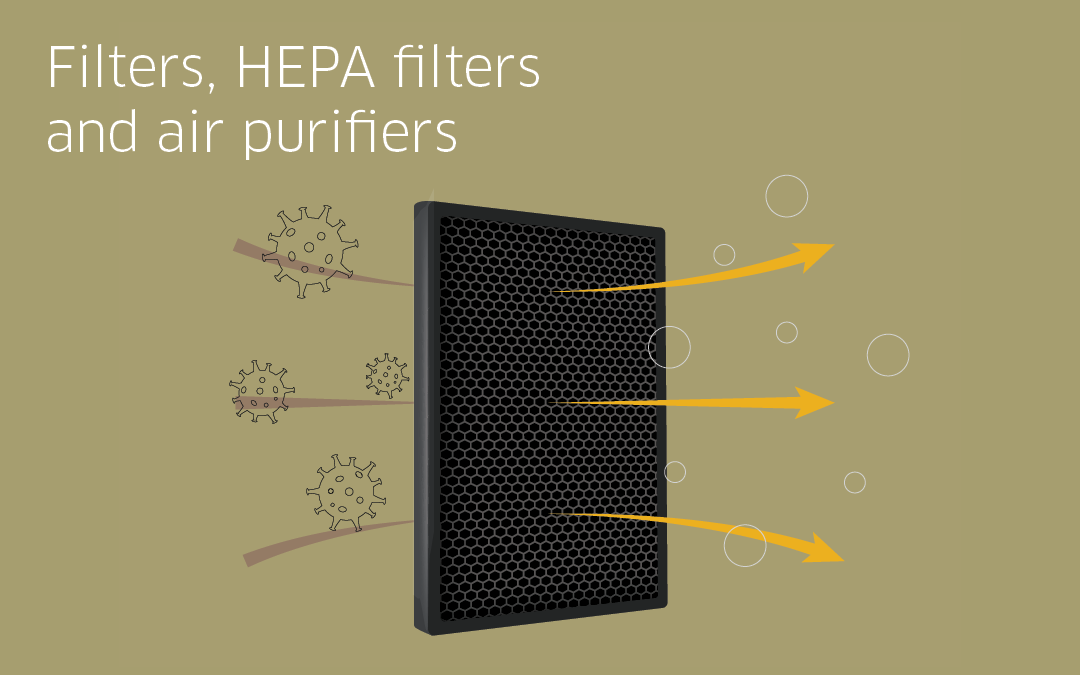
A recent study involving 154 individuals living near major roads demonstrated a promising solution: high-efficiency particulate air (HEPA) filters. Participants who used these filters at home for just one month saw their systolic blood pressure drop by an average of three points. This simple intervention offers hope for managing cardiovascular health.
Joseph Allen, director of the Healthy Buildings Program at Harvard, recommends portable HEPA air filters as a practical approach to controlling indoor air pollution. He suggests focusing particularly on bedrooms, where people spend roughly a third of their indoor time. When selecting an air cleaner, look for devices with a clean air delivery rate (CADR) of at least 300, tailored to your room size.
The benefits extend beyond heart health. These filters can also reduce the spread of airborne viruses like influenza and COVID-19, which in severe cases can increase heart attack and stroke risks. They may additionally help manage allergies and potentially mitigate impacts on neurological and immune system functions.
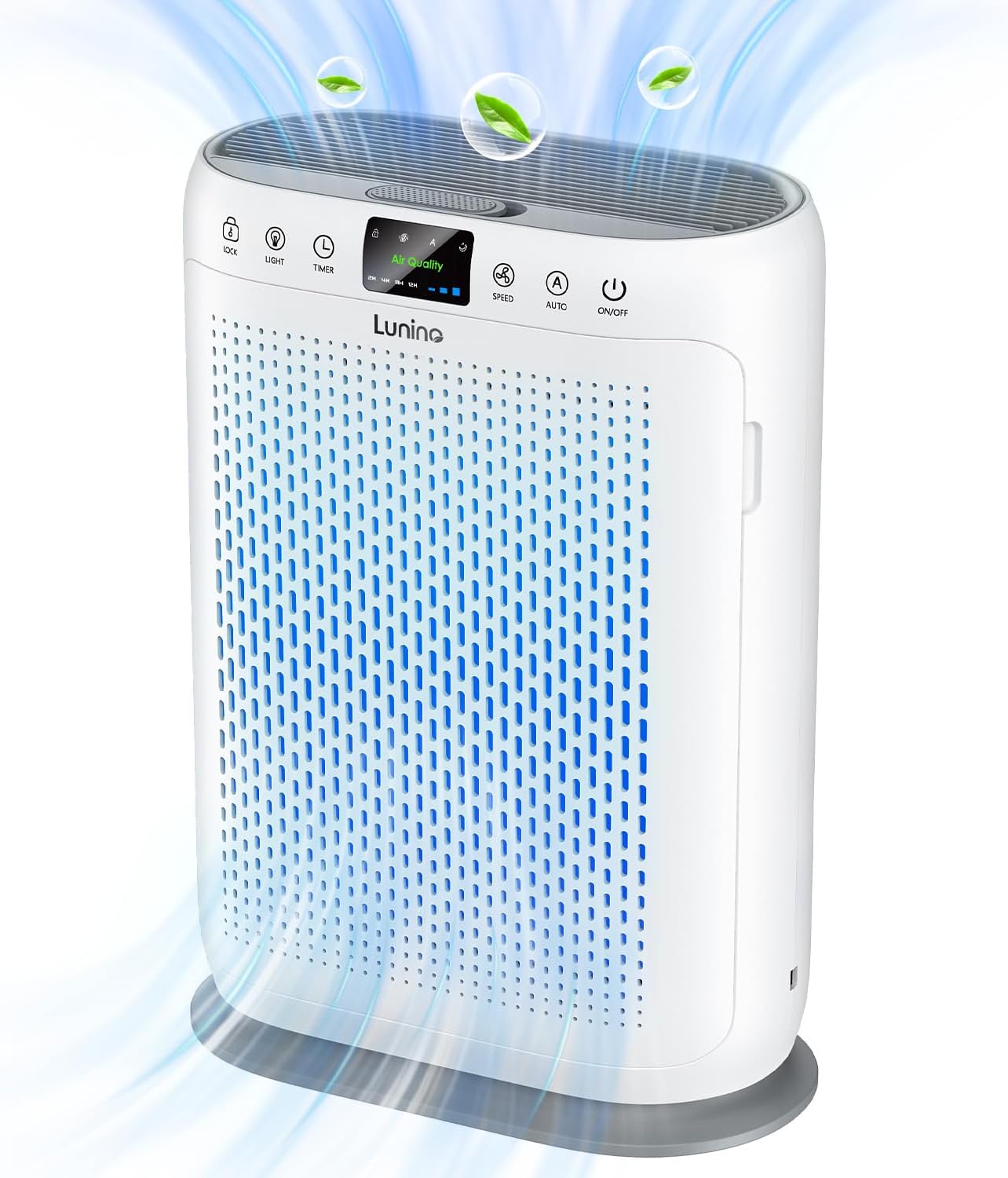
Practical implementation is straightforward. Choose a device costing between $150 and $300, depending on room size. Ensure it operates at or below 50 decibels—about as loud as a humming refrigerator. Replace filters every six to 12 months as recommended by manufacturers.
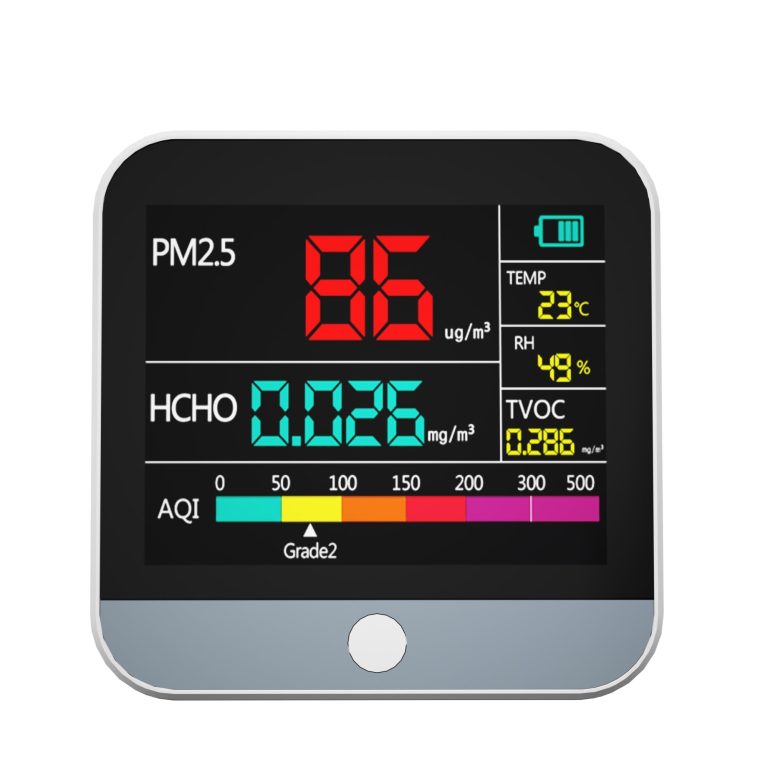
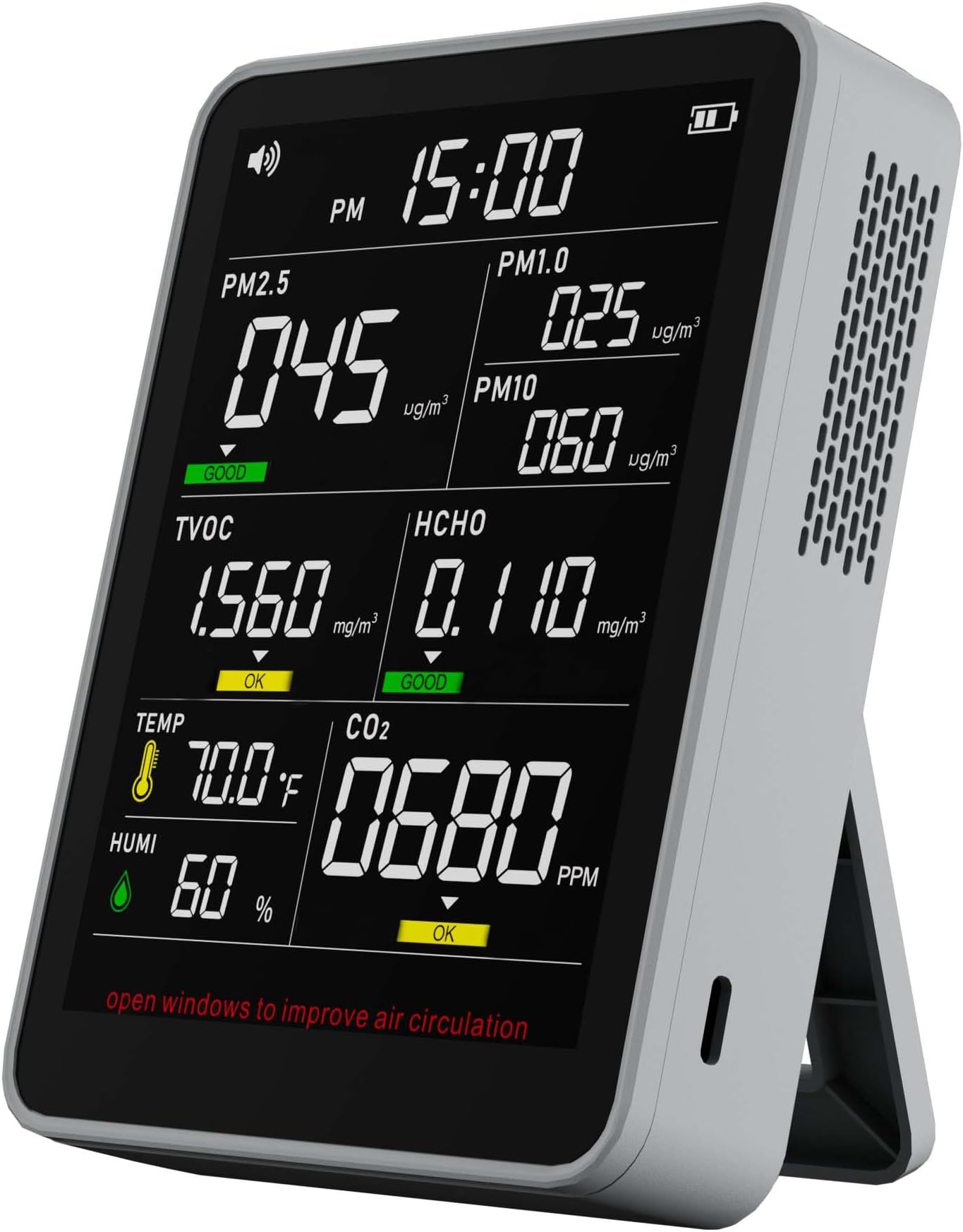
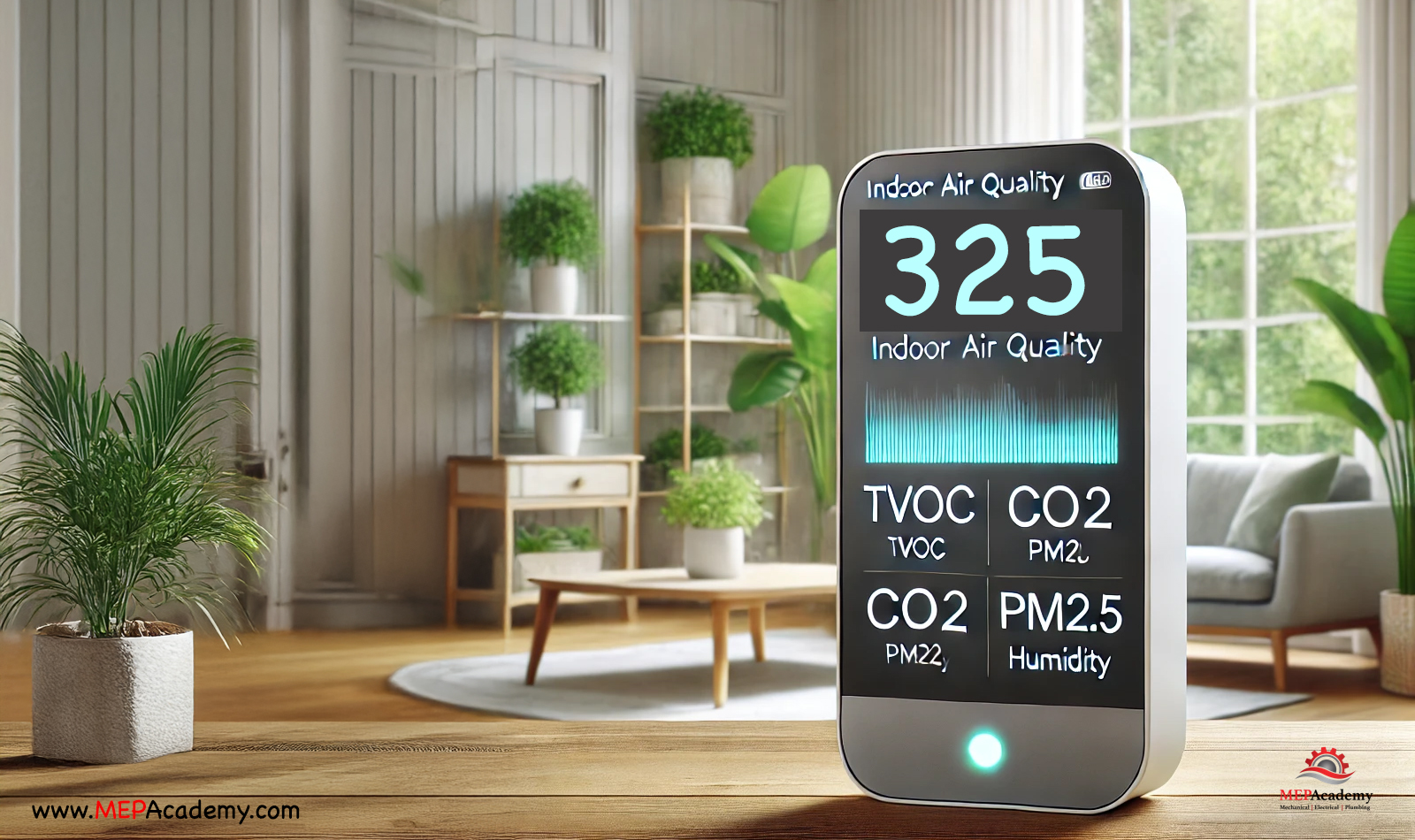
Monitoring air quality is equally important. Websites like AirNow provide color-coded pollution data, and affordable indoor air quality monitors ranging from $70 to $140 can help you track PM2.5 levels in your home.

The message is clear: the air you breathe matters. By understanding the risks and taking proactive steps like using HEPA filters, monitoring air quality, and maintaining clean indoor environments, you can protect your heart and overall health.
In a world where environmental challenges are increasingly complex, this research offers a beacon of hope—showing that small, manageable changes can make a significant difference in our well-being.