


Hong Kong’s health authorities have confirmed a second imported measles case, underscoring the ongoing global challenges of preventing disease transmission in an interconnected world. The latest incident involves a 22-year-old woman who is the mother of a previously reported pediatric patient, highlighting how viral infections can spread within families and communities.
The woman developed a fever on December 18 and was subsequently admitted to Princess Margaret Hospital after being identified through contact tracing. Medical tests confirmed her measles diagnosis, though fortunately, she remains in stable condition. What makes her case particularly noteworthy is her travel history and vaccination status: she had been traveling outside Hong Kong from October 1 to December 16 and had not received any measles vaccinations, which led health officials to classify her case as imported.

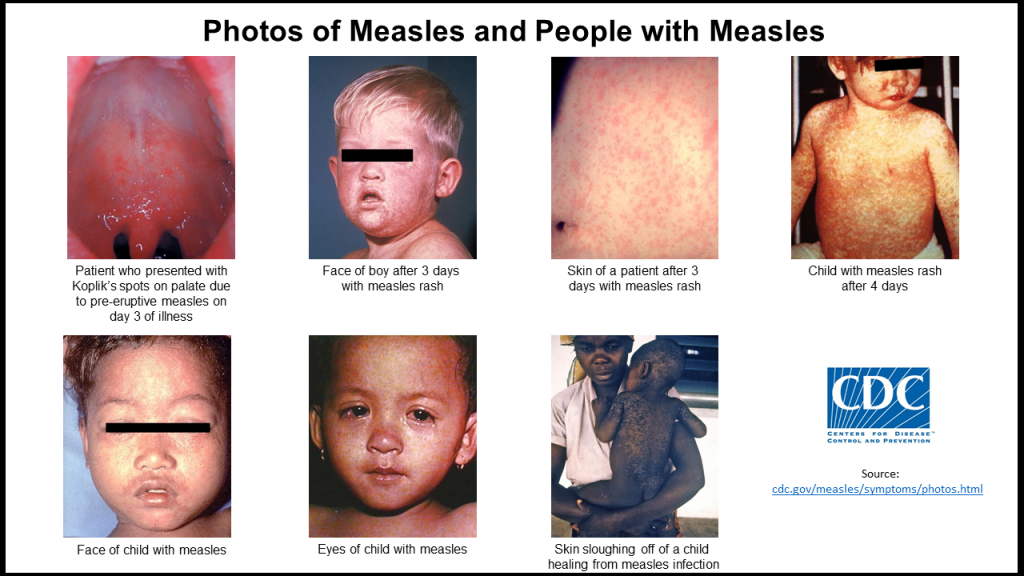
Measles, a highly contagious viral disease, poses significant health risks, especially for unvaccinated individuals. The virus can spread through respiratory droplets and remain airborne for up to two hours after an infected person has left an area. Typical symptoms include fever, cough, runny nose, red eyes, and a distinctive rash that can lead to serious complications.

The Centre for Health Protection is meticulously tracking potential exposures, particularly focusing on a private clinic both the mother and her son visited on December 19. Health workers are proactively reaching out to individuals who were present at the clinic during that time to assess potential transmission risks. As of now, no high-risk contacts have been identified, which is encouraging news.
Controller Edwin Tsui emphasized the critical importance of vaccination for travelers, especially when visiting regions experiencing measles outbreaks. Currently, such outbreaks are occurring in North America, Europe, Southeast Asia, Japan, and Australia. While Hong Kong maintains an impressive local vaccination coverage rate exceeding 95 percent, certain population groups remain vulnerable, including non-local-born residents and children under one year old who might not have complete immunity.

The most effective prevention strategy remains vaccination, with two doses providing long-term protection against the disease. This recent case serves as a powerful reminder of the need for maintaining high vaccination rates and remaining vigilant, particularly in regions like Hong Kong with frequent international travel.
Global health dynamics mean that imported cases can potentially trigger localized outbreaks, even in areas with generally high vaccination rates. Small pockets of unvaccinated individuals can become potential transmission points, making individual vaccination choices a community health concern.
This incident illustrates the complex interplay between individual health choices, international travel, and community well-being. By staying informed, maintaining vaccination records, and understanding transmission risks, individuals can play a significant role in protecting both personal and public health.