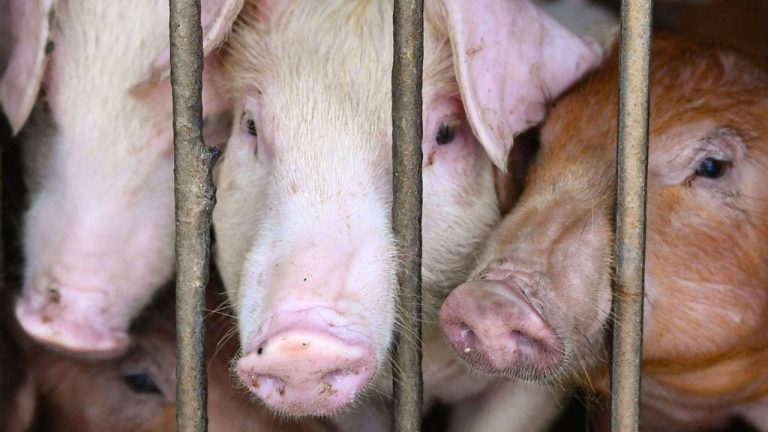


In the picturesque Lau Fau Shan area of Hong Kong’s Yuen Long district, a significant agricultural challenge recently unfolded as local authorities responded decisively to an outbreak of African Swine Fever (ASF). On December 17, samples from a licensed pig farm tested positive for the virus, triggering a comprehensive response from the Agriculture, Fisheries and Conservation Department (AFCD).
The immediate action involved a carefully executed culling operation that began on Friday, December 19, and concluded by Tuesday with 978 pigs being removed and disposed of. This swift intervention represents a critical strategy in preventing the potential widespread transmission of a disease that can devastate livestock populations.

Following the culling, the AFCD implemented rigorous biosecurity protocols. The affected farm underwent thorough cleaning and disinfection to minimize the risk of further contamination. Recognizing the global implications of such an outbreak, authorities promptly informed the World Organisation for Animal Health and initiated an epidemiological investigation. This collaborative effort involves experts from mainland China and international specialists, demonstrating a comprehensive approach to managing the ASF threat.
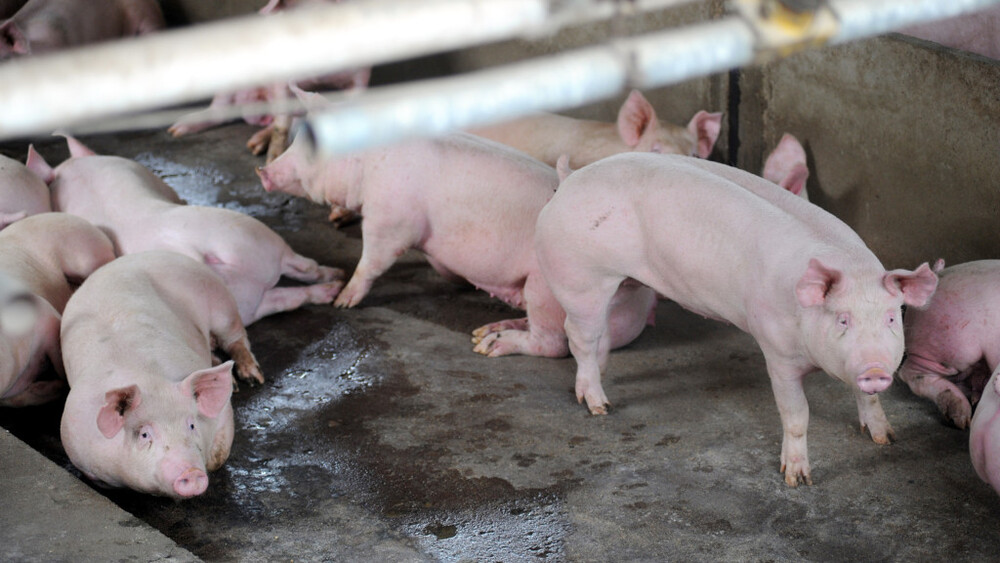
As part of their precautionary measures, veterinary teams conducted inspections at a nearby pig farm within a 3-kilometer radius of the initial outbreak site. These proactive checks yielded positive news: all samples from the neighboring farm tested negative for the ASF virus. Consequently, this farm was permitted to resume normal operations, including the regulated transportation of pigs to slaughterhouses.

An important reassurance for the public is that African Swine Fever is not a zoonotic disease, meaning it cannot be transmitted to humans. The AFCD emphasized that pork remains safe for consumption when thoroughly cooked, alleviating potential food safety concerns that might arise from such an outbreak.
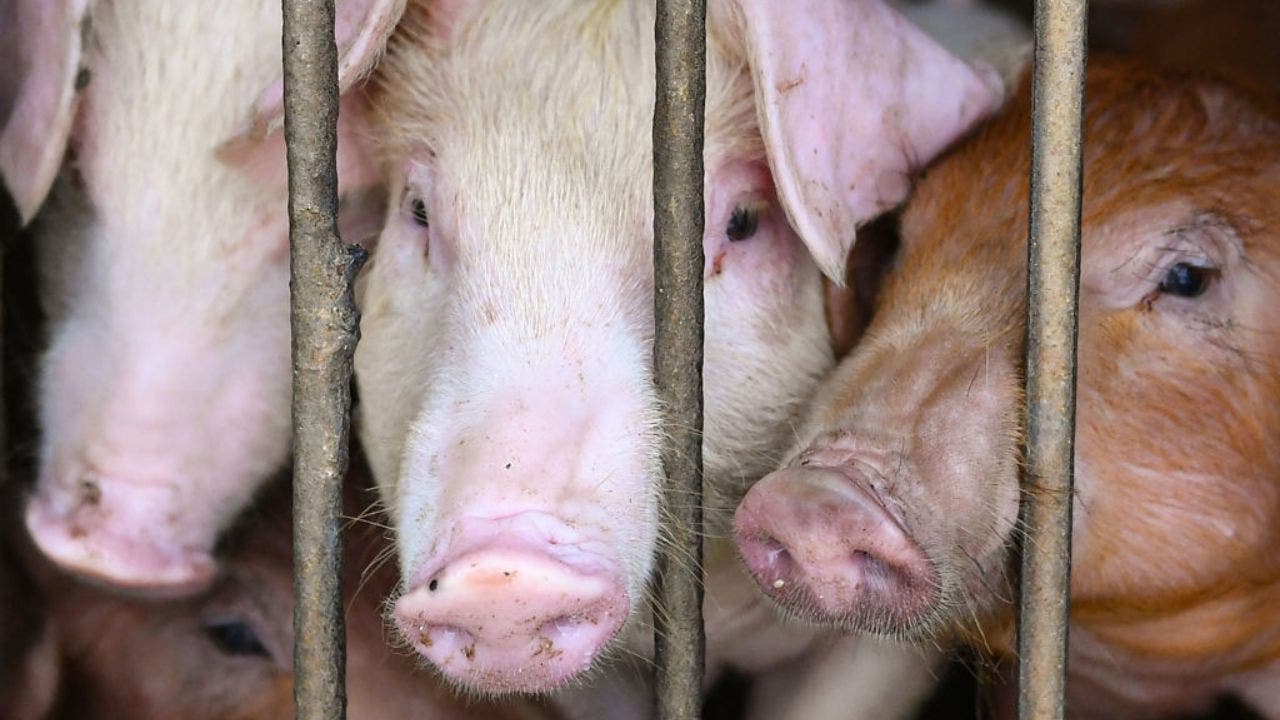
This incident underscores the ongoing challenges faced by the agricultural sector in managing contagious animal diseases. African Swine Fever can have substantial economic repercussions, potentially causing significant losses in livestock populations. The Hong Kong authorities’ response highlights the critical importance of rapid intervention, stringent biosecurity measures, and continuous monitoring.

The multi-faceted approach taken in this case—immediate culling, comprehensive disinfection, international collaboration, and transparent communication—serves as a model for managing potential agricultural disease outbreaks. It demonstrates the delicate balance between protecting livestock, maintaining food safety, and minimizing economic disruption.
For the local agricultural community and consumers alike, this event is a reminder of the complex ecosystem of food production and the constant vigilance required to maintain animal health. While the outbreak was contained quickly, it illustrates the potential vulnerabilities in livestock farming and the importance of proactive management strategies.
The public is encouraged to stay informed about such developments through reliable news sources and official updates. By understanding these challenges, individuals can better appreciate the intricate work happening behind the scenes to ensure food safety and agricultural sustainability.
As agricultural practices continue to evolve, incidents like these provide valuable insights into the sophisticated systems designed to protect both animal and human health in an increasingly interconnected world.