

As we age, our bodies undergo a complex transformation that goes beyond wrinkles and gray hair. Enter “inflammaging,” a term that encapsulates the chronic, low-grade inflammation that silently impacts our health as we grow older. This subtle yet powerful process isn’t just an inevitable part of aging—it’s a critical factor that can dramatically influence our overall well-being and longevity.
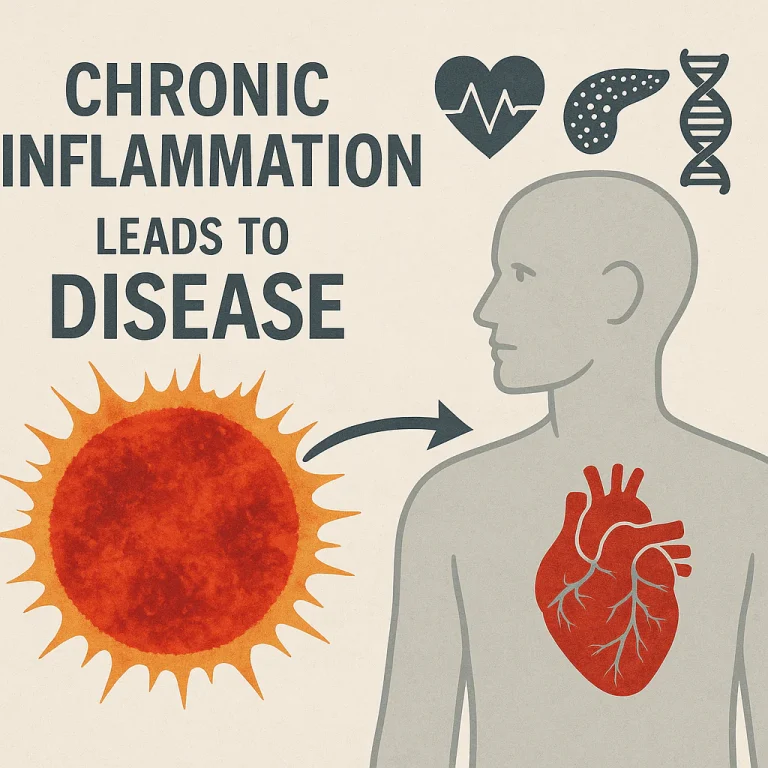
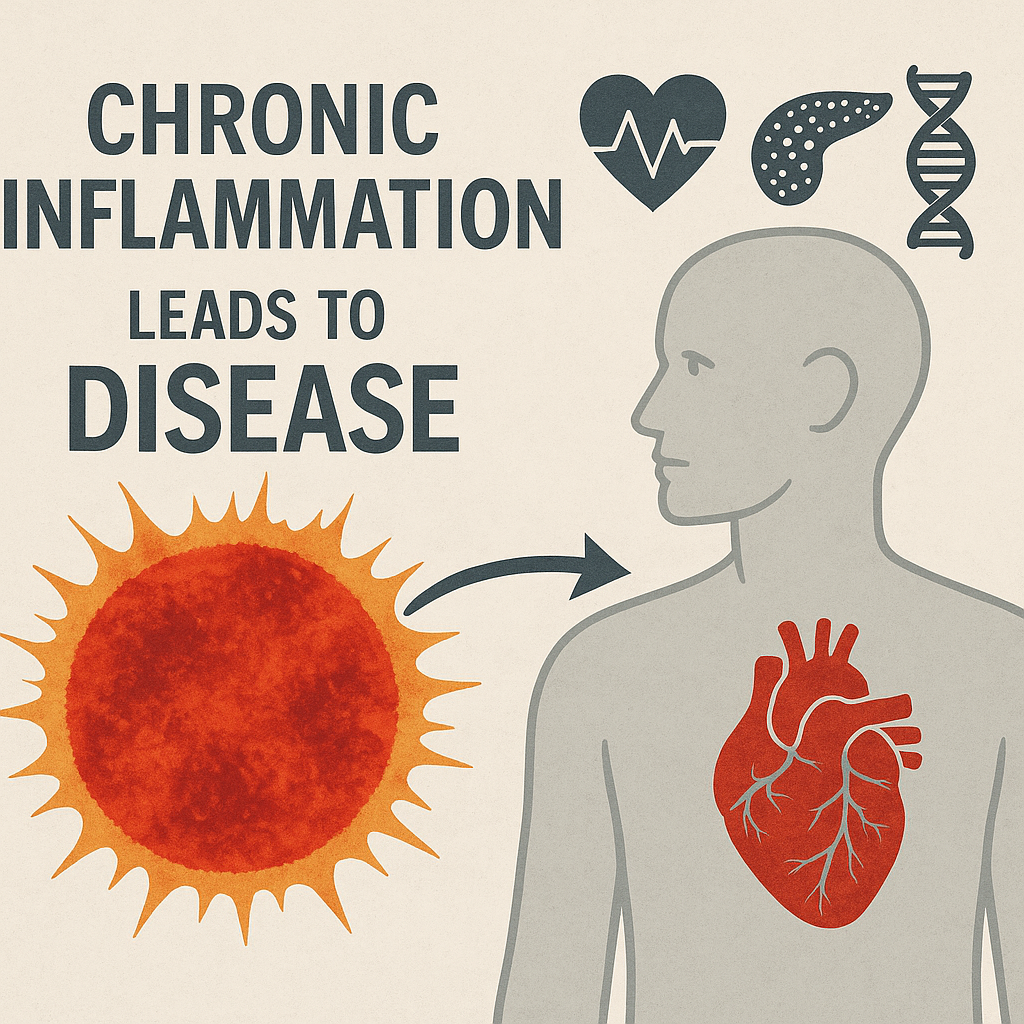
Imagine inflammation as your body’s natural defense mechanism, typically helpful in fighting infections and healing injuries. However, as we age, this system becomes less precise, creating a persistent state of low-grade inflammation that can accelerate cellular damage. Research from Nature Medicine reveals a startling statistic: chronic inflammation affects about 35% of American adults and is linked to over half of all deaths worldwide.
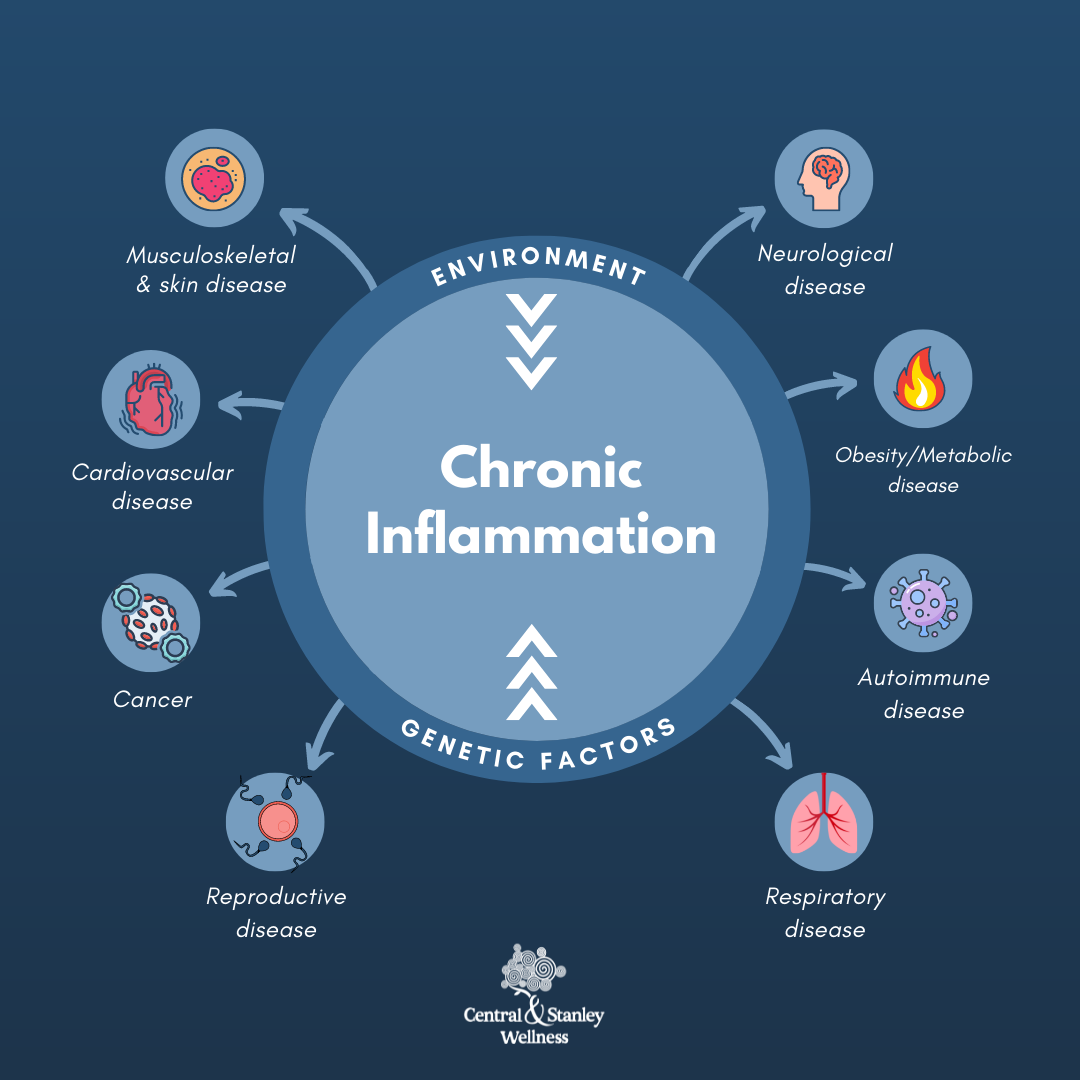
The health implications are profound. Inflammaging isn’t just a medical curiosity—it’s directly connected to numerous age-related conditions like heart disease, diabetes, arthritis, cancer, Alzheimer’s, and autoimmune disorders. Moreover, it contributes to frailty, a condition affecting 25% of people over 80, characterized by weakness, fatigue, and reduced mobility.
Interestingly, not all hope is lost. Studies on centenarians show that some individuals maintain lower inflammation levels through balanced anti-inflammatory responses, suggesting we have more control over this process than previously thought. Immunologist Carlos Donado from Brigham and Women’s Hospital emphasizes that while aging naturally contributes to inflammation, lifestyle factors play a crucial role.
Diet emerges as a powerful tool in managing inflammaging. The typical American diet—high in processed meats, sugary snacks, and fast foods—actually promotes inflammation. Instead, experts recommend a plant-forward approach rich in fruits, vegetables, whole grains, nuts, fish, and olive oil. Specific anti-inflammatory superstars include leafy greens, cruciferous vegetables, berries, turmeric, and legumes.
Physical activity is another critical intervention. Aim for 150 minutes of moderate-to-vigorous exercise weekly, like brisk walking or swimming. These activities can fundamentally alter metabolism in anti-inflammatory ways. Equally important are stress management techniques such as deep breathing and meditation, which can lower cortisol levels and reduce inflammatory markers.
Sleep and weight management also play pivotal roles. Insufficient sleep raises inflammation levels, so targeting at least seven hours nightly helps clear inflammatory chemicals from the brain. Maintaining a healthy weight reduces visceral fat, a known source of inflammatory chemicals.
Modern medicine is also advancing our understanding. While traditional approaches relied on medications like aspirin and NSAIDs, emerging “gerotherapies” aim to more precisely counteract inflammaging. Doctors can now measure inflammation through blood tests detecting biomarkers like C-reactive protein, allowing for more targeted interventions.
The most encouraging news is that inflammaging isn’t an unavoidable sentence. Through strategic lifestyle choices—nutritious eating, regular exercise, stress reduction, quality sleep, and avoiding harmful habits like smoking and excessive alcohol—we can significantly mitigate chronic inflammation’s effects.
As research continues to unveil the intricate connections between inflammation and aging, one message remains clear: our daily choices profoundly impact our long-term health. By understanding and proactively addressing inflammaging, we can potentially slow aging’s progression, enhance our quality of life, and open doors to healthier, more vibrant years ahead.