

Innovative Tele-Rehabilitation: Transforming Stroke Recovery for Elderly Patients
In the heart of Hong Kong, Pok Oi Hospital is revolutionizing stroke recovery through a groundbreaking tele-rehabilitation program that brings advanced therapy directly into patients’ homes. The Jockey Club Smart Geriatric Day Hospital Project is proving that cutting-edge technology can dramatically improve rehabilitation outcomes for elderly patients, offering hope and independence to those recovering from debilitating conditions.

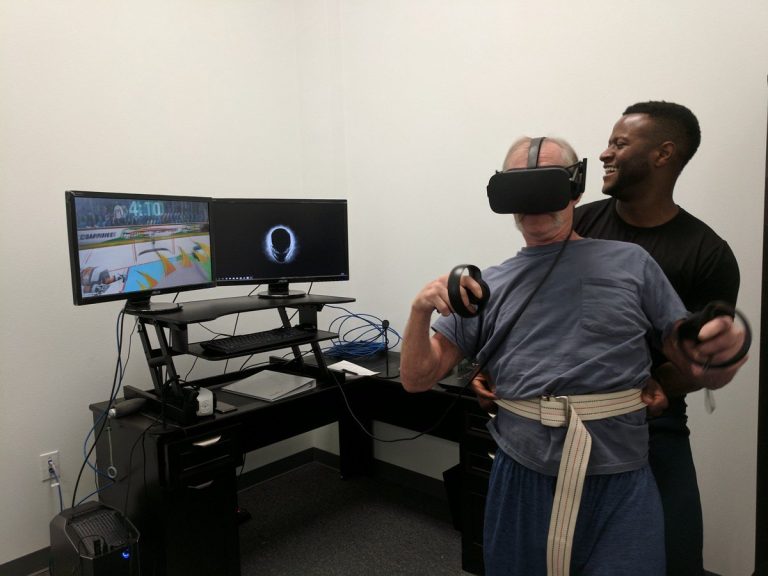
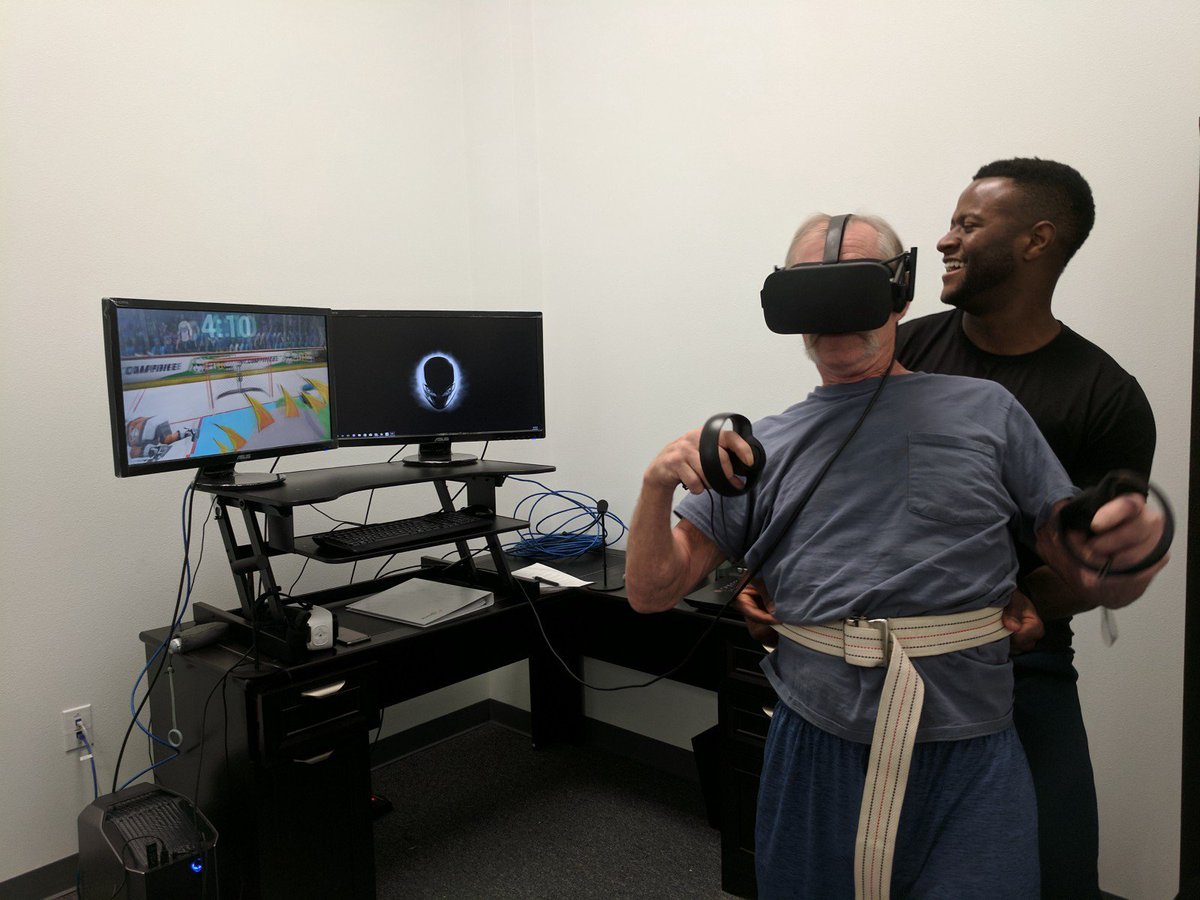
The program’s approach is remarkably simple yet innovative. Using virtual and augmented reality tools, patients can now complete personalized physiotherapy and occupational therapy sessions from the comfort of their own homes or care facilities. This method addresses a critical challenge for elderly patients: the physical and emotional strain of frequent hospital visits.
Take the case of 70-year-old Lau, a stroke survivor who exemplifies the program’s potential. After experiencing two strokes that significantly impacted his mobility, Lau has seen remarkable improvements through daily morning and afternoon exercises. He reports reduced pain in his right hand and increased ability to perform everyday tasks like dressing. A particularly engaging virtual hiking simulation has even helped him complete full routes without needing to rest, substantially boosting his confidence and motivation.

Funded with HK$14 million from the Hong Kong Jockey Club Charities Trust, the initiative leverages smart technologies to enhance treatment accessibility. Patients use tablets to follow guided exercises, with their performance data automatically uploaded to a platform that allows medical staff to monitor and customize rehabilitation plans. The results are impressive: approximately 350 patients have been served, and the hospital has increased its treatment capacity by over 20 percent annually.
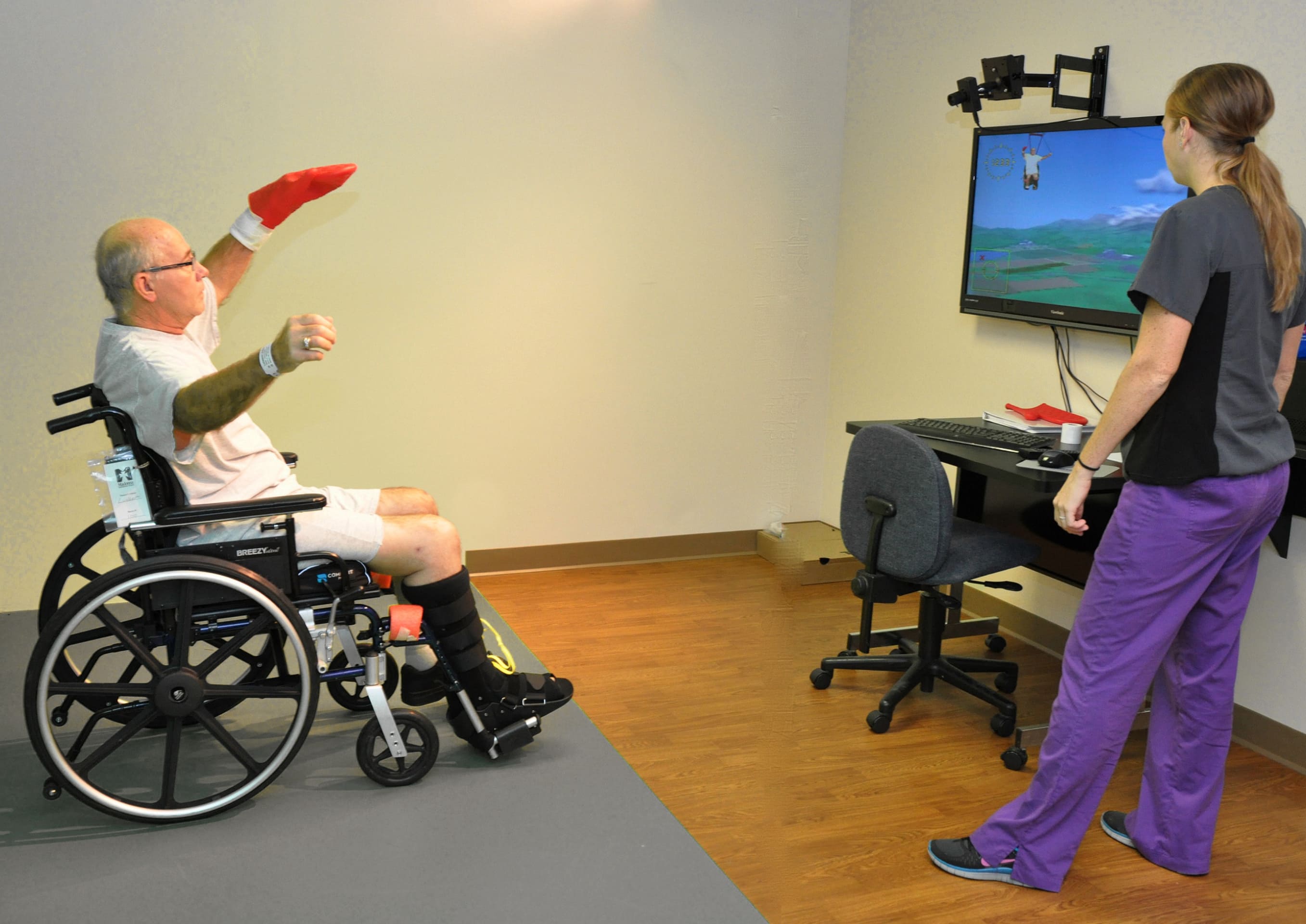
What sets this program apart is its thoughtful integration of cultural elements that make rehabilitation engaging and meaningful. Exercises incorporate activities like virtual mahjong games and simulations featuring iconic Hong Kong landmarks such as the Big Buddha and Tsing Ma Bridge. These familiar experiences help motivate patients to remain consistent with their therapy, transforming a potentially monotonous process into an enjoyable journey of recovery.
A collaborative study with Lingnan University has scientifically validated the program’s effectiveness. Participants demonstrated faster walking speeds, improved hand motor skills, enhanced cognitive function, and greater ability to manage daily living tasks. The program’s holistic approach aims to improve not just mobility, but also heart-lung fitness and self-care independence.
The initiative is particularly beneficial for elderly patients recovering from strokes, hip fractures, or dementia. Care home managers have observed increased independence and a sense of achievement among participants. The program dramatically reduces hospital visits, shifting from twice-weekly sessions to just once after the initial treatment phase.
As healthcare continues to evolve, Pok Oi Hospital’s tele-rehabilitation project represents a significant leap forward in geriatric care. By combining advanced technology with personalized, compassionate treatment, the program offers a scalable model that could inspire similar innovations worldwide. It demonstrates the profound potential of smart technologies to address the unique challenges faced by an aging population.
For those interested in staying informed about such groundbreaking healthcare developments, the initiative serves as a powerful example of how technology can transform patient care, bringing renewed hope and independence to those who need it most.