

Hong Kong’s government has taken decisive action to address critical safety concerns surrounding scaffolding nets used in building maintenance, revealing a troubling landscape of potential fraud and safety risks. The urgent directive, announced on Wednesday, mandates the immediate removal of protective scaffolding nets from all buildings undergoing external maintenance, impacting over 200 private and a dozen public buildings.
The crackdown stems from investigations at two specific housing estates—Fung Wah Estate in Chai Wan and Fortress Garden in North Point—where suspected fraudulent documentation raised serious red flags. Maintenance teams at these locations allegedly submitted fake safety certificates purportedly from the National Quality Inspection and Testing Center for Personal Protective Equipment in Beijing.

When contacted, the Beijing center categorically denied issuing these documents. An employee revealed multiple discrepancies, including that the report numbers were invalid and the organization had undergone a name change in 2019. The suspicious documents were riddled with telltale signs of forgery: missing official logos, incorrect company names, and formatting errors that immediately called their authenticity into question.
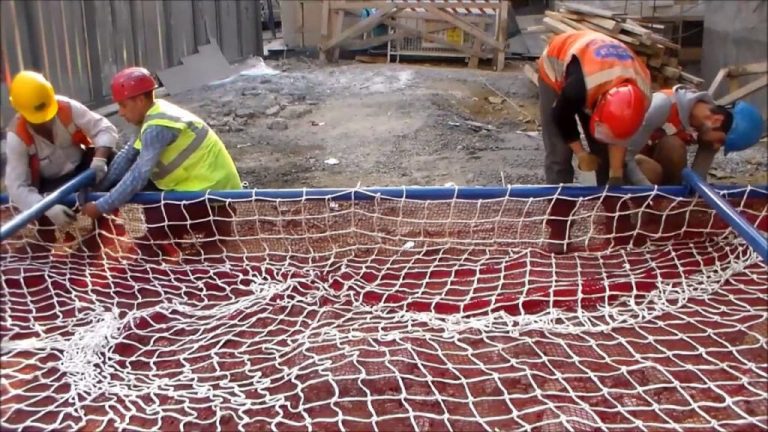
The implications of these fraudulent safety documents are profound. Scaffolding nets are critical protective infrastructure that safeguard both workers and pedestrians during external building maintenance. Any compromise in their quality could potentially expose hundreds of people to significant safety risks.
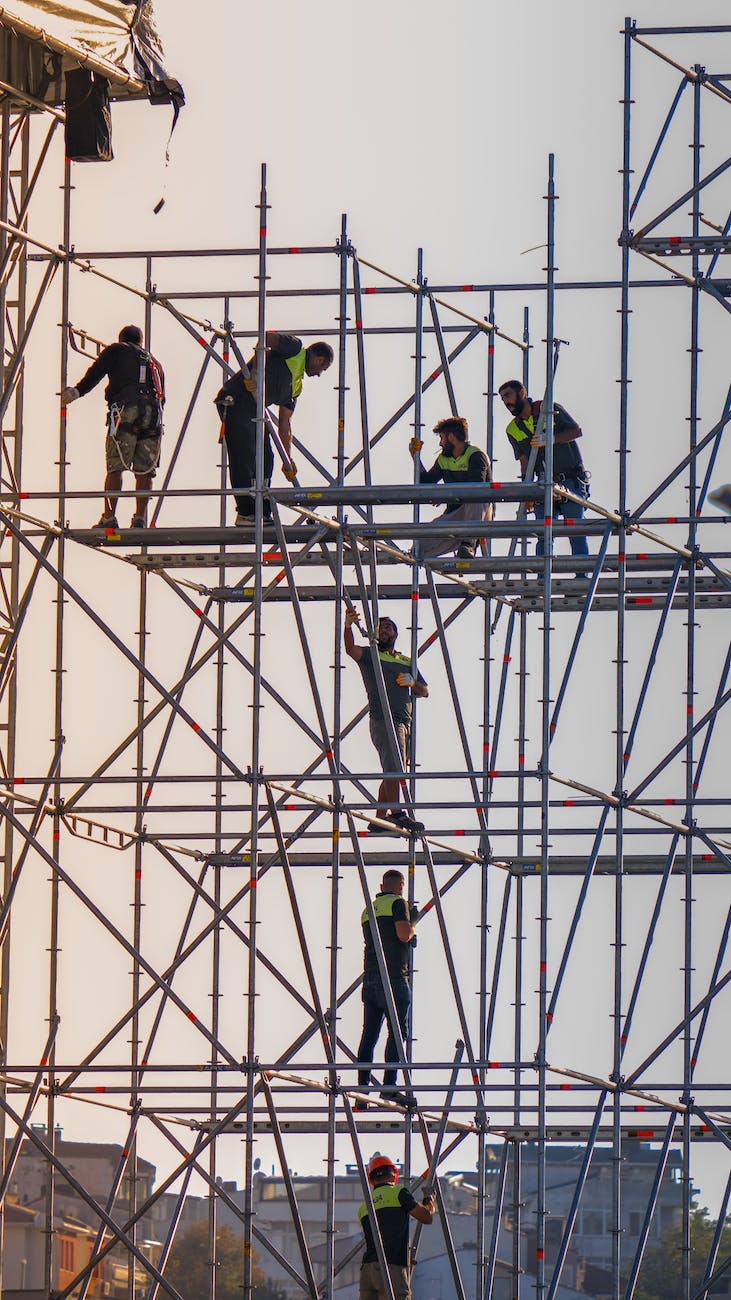
Recognizing the gravity of the situation, Secretary for Security Chris Tang Ping-keung has escalated the matter to a criminal investigation, with cases formally referred to police. Simultaneously, the government is taking proactive steps to prevent future occurrences. Secretary for Development Bernadette Linn Hon-ho announced upcoming changes to construction protocols that will require comprehensive safety measures.
Starting next week, the Buildings Department will implement new codes of practice mandating on-site sampling of all protective net materials immediately upon delivery to construction sites. Nets will only be permitted for installation after rigorous laboratory testing and verification by designated facilities. This approach represents a significant tightening of existing safety compliance mechanisms.
The removal order comes with a strict deadline: all scaffolding nets must be taken down by Saturday, December 6. This tight three-day window underscores the government’s urgency in addressing potential safety vulnerabilities. While staff at Fung Wah Estate declined to comment, citing the lack of an authorized representative, the broader message is clear—public safety cannot be compromised.
This incident serves as a stark reminder of the critical importance of transparency and rigorous verification in construction and maintenance practices. By exposing and swiftly responding to fraudulent documentation, Hong Kong’s government demonstrates a commitment to maintaining public trust and protecting its citizens.
As investigations continue, industry stakeholders and the public await further developments. The scaffolding net removal order is more than just an administrative action—it’s a powerful statement about the unacceptability of cutting corners when it comes to safety standards.
The situation highlights the complex challenges of urban maintenance and the constant vigilance required to ensure infrastructure integrity. For Hong Kong, this moment represents an opportunity to strengthen oversight, rebuild confidence, and reinforce the fundamental principle that safety should never be negotiable.